What if we responded before students had to fail?
IMPACT
Too often, educational systems become most responsive after a student is already struggling—when additional intervention, specialised services, or more intensive support becomes necessary.
We believe meaningful impact begins earlier: in how learning is designed from the start.
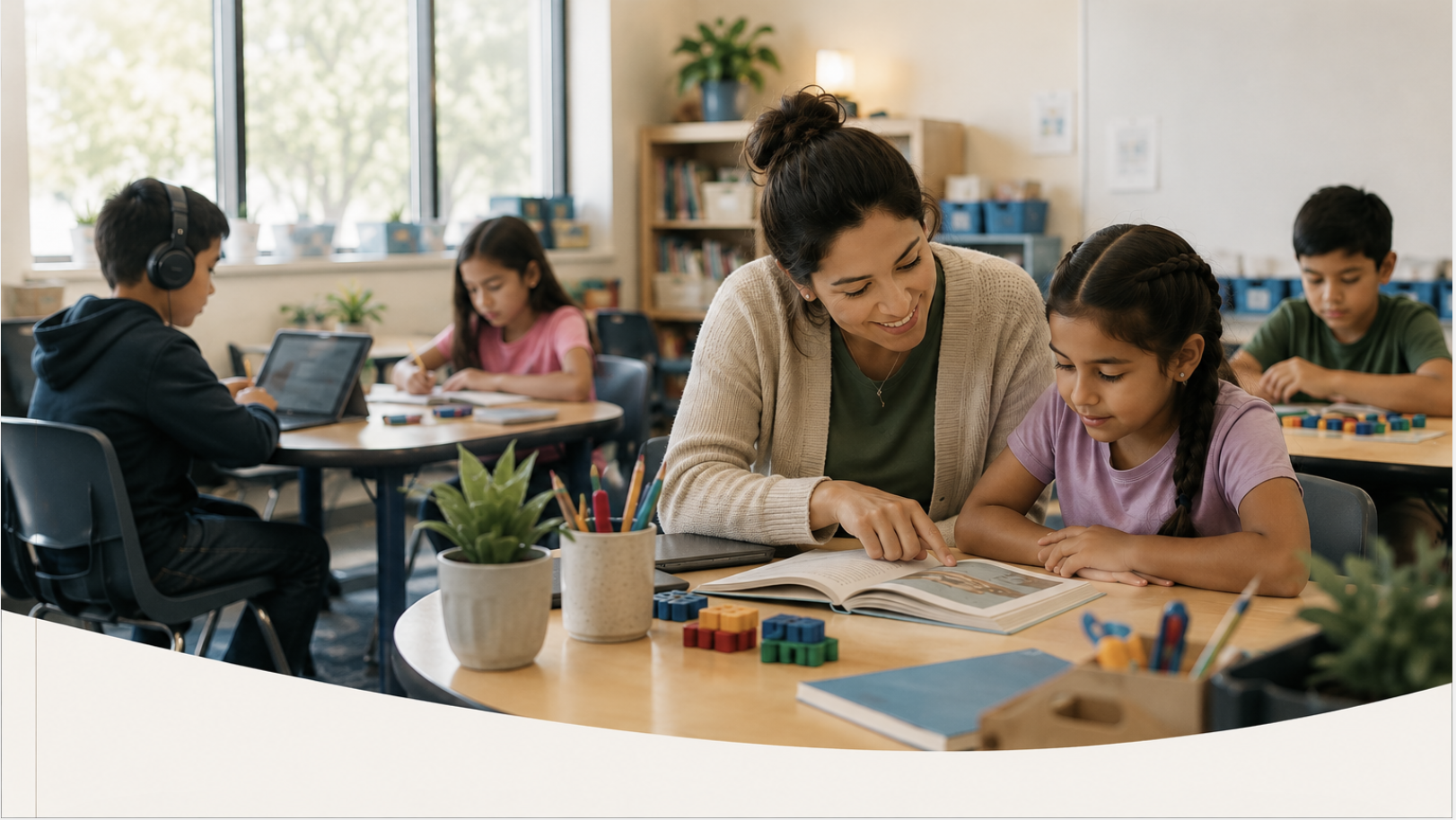
Visually, I would not use another meeting, teacher-training, or research image. I see a classroom viewed almost architecturally: different learners working successfully within the same environment, with subtle evidence of bilingual learning, differentiated access, and teacher support. Nothing staged or sentimental.
THE CURRENT REALITY
The need for a different response is already visible.
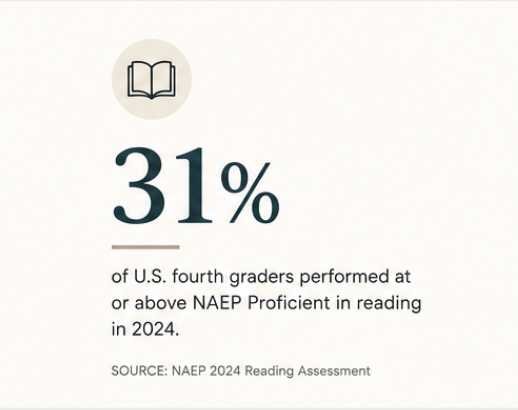
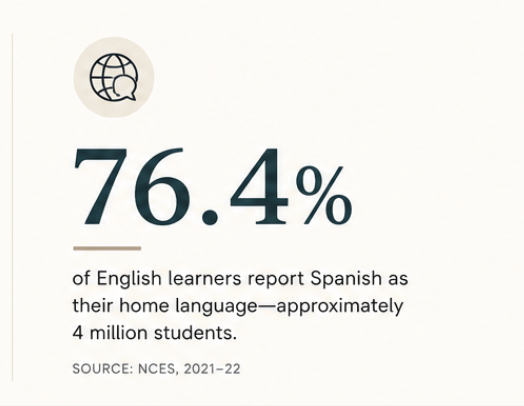
National data shows persistent challenges in reading achievement, the scale of our multilingual student population, and the growing complexity of classrooms.
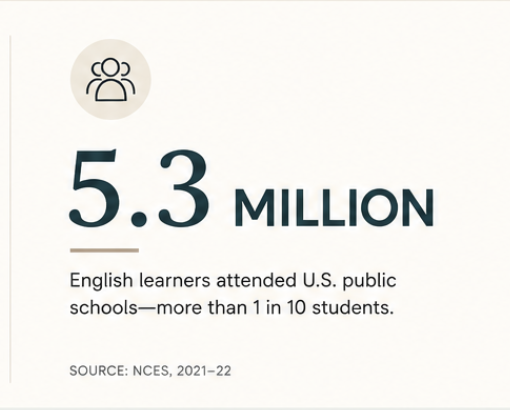

These are not separate challenges.
Reading development, language, learner variability, instructional design and specialized support converge in the same classrooms—and often in the same students.
WHEN LEARNING BREAKS DOWN
The response becomes more intensive—and more costly.
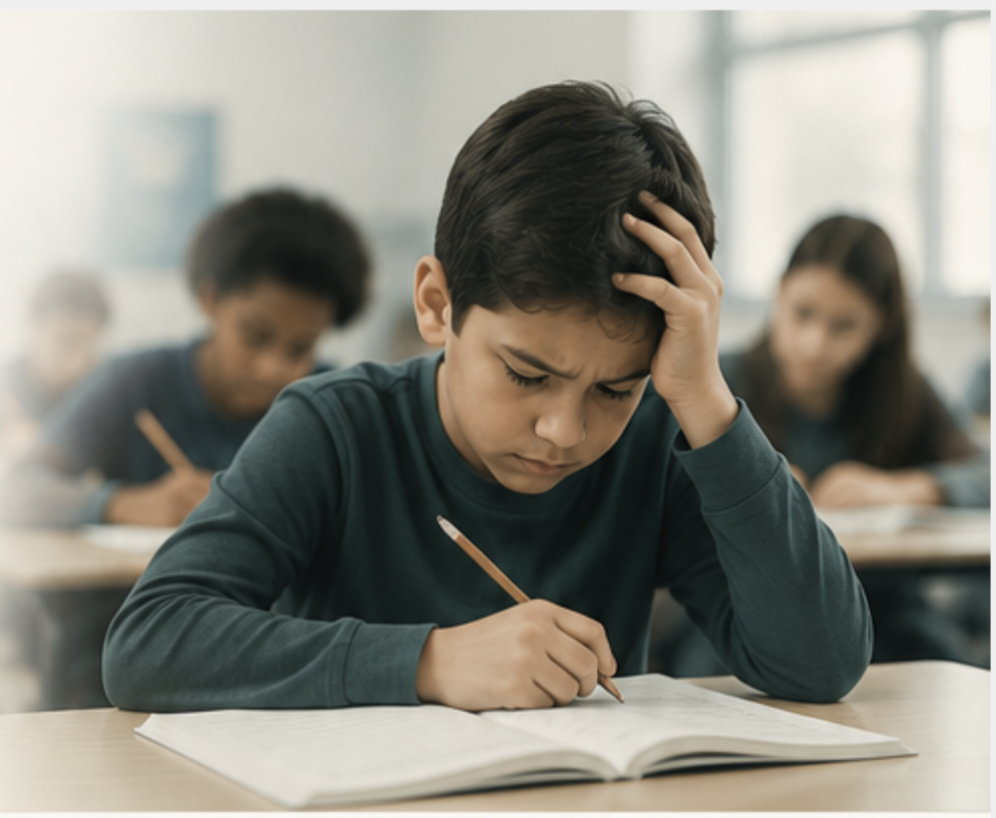
When students struggle to learn, schools and districts must respond with specialized services and significant investments.
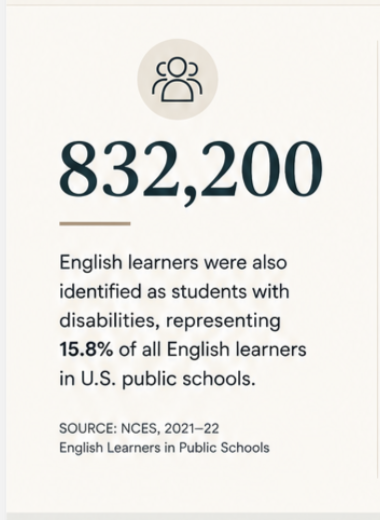
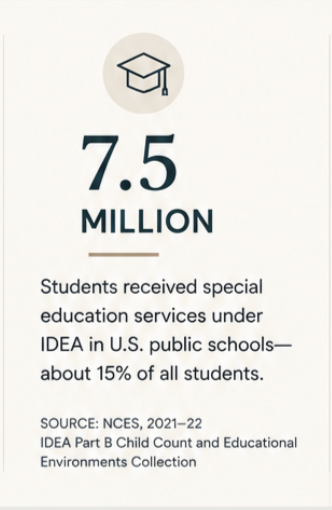
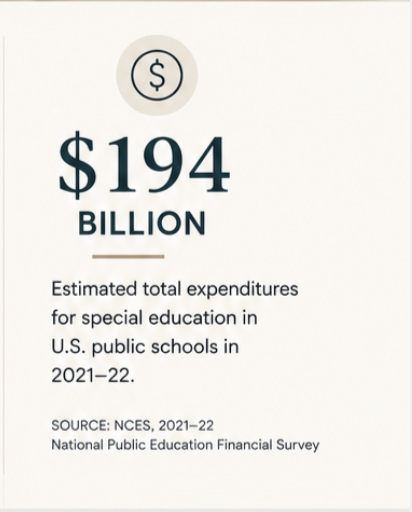

What if more of the response happened earlier?
Not instead of specialized support.
Before specialized support becomes the only response.

Education systems are investing more resources to respond when learning breaks down. Our question is:
How do we design instruction to respond earlier and better for every learner?
OUR IMPACT
Building capacity before difficulty becomes failure.
For LAJAM, impact is not defined by a single programme, training, or intervention. It is what becomes possible when instructional systems are designed to respond to learners earlier.
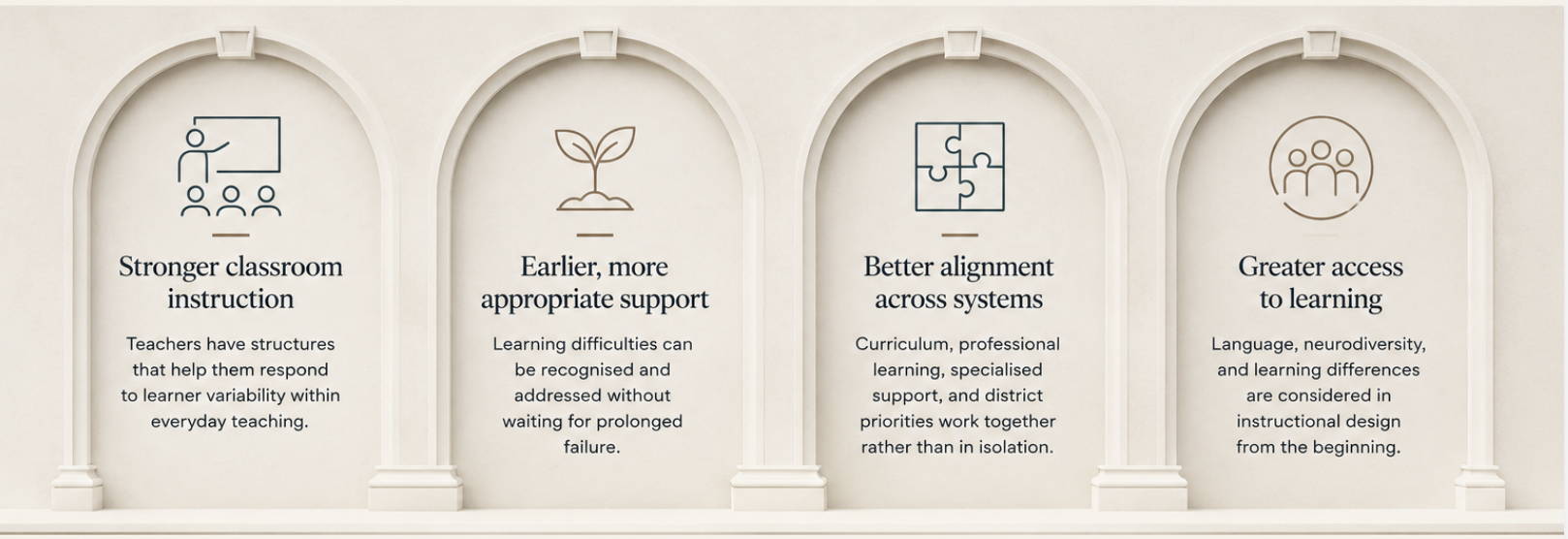
The goal is not to eliminate specialized support. It is to build stronger systems around it.

BUILD WHAT COMES NEXT
Better outcomes begin with better-designed systems.
LAJAM works with schools, districts, researchers, and philanthropic partners to develop, test, and strengthen educational approaches designed around how students learn.